
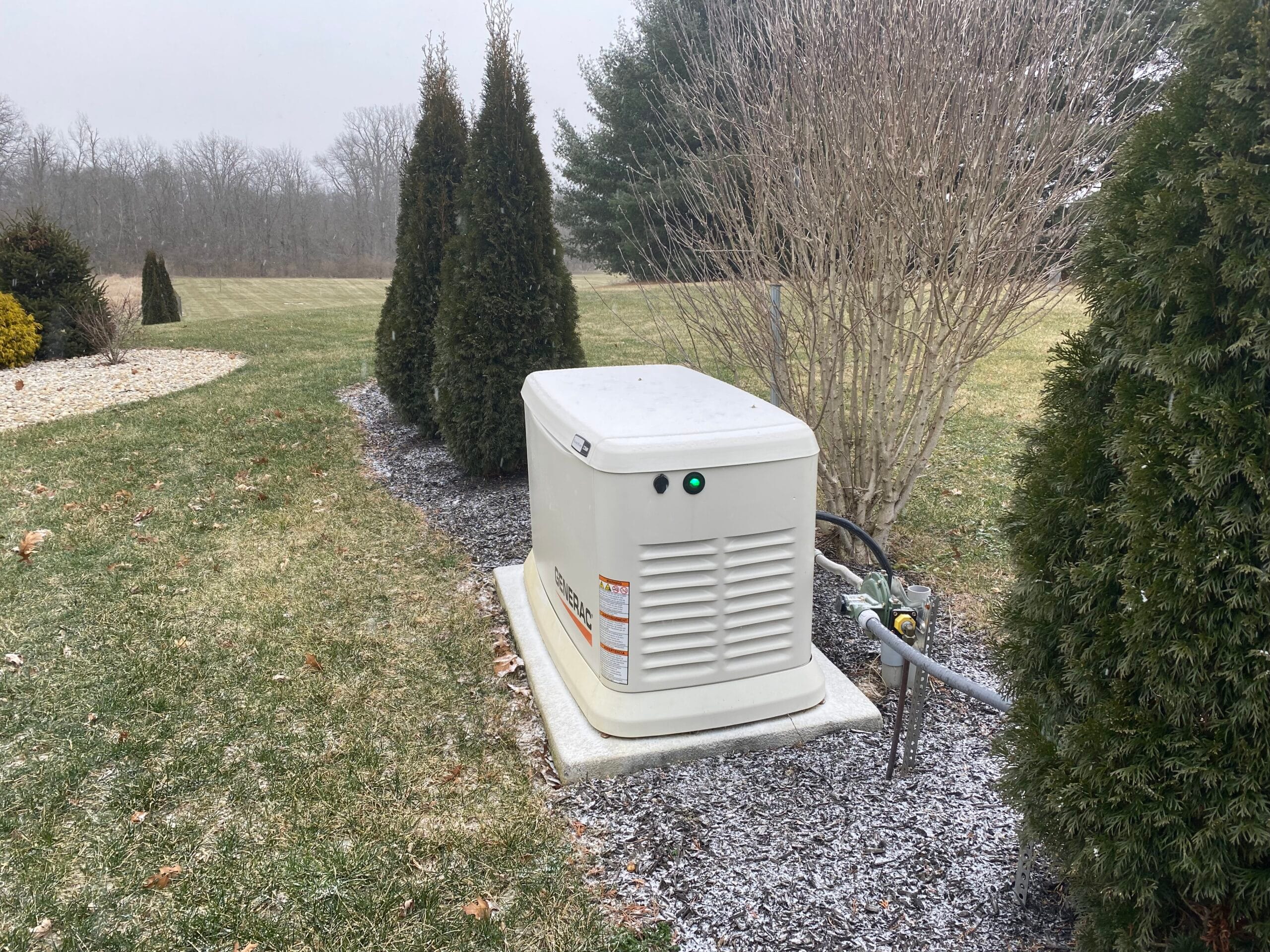
When the power goes out, it’s more than just an inconvenience—it’s a disruption to your comfort, security, and daily routine. For many homeowners, a generator is the lifeline that keeps essential appliances running, medical equipment functioning, and the lights shining bright. However, the challenge lies in determining the correct generator size. Choosing the wrong one could lead to inefficiencies, equipment damage, or wasted resources. This guide provides a comprehensive walkthrough to help you determine “what size generator do I need” and ensure your home remains powered efficiently.
Understanding Generator Sizing Basics
Selecting the right generator size is not about opting for the most powerful unit on the market; it’s about precision. Generators are rated in watts, which measure their output capacity. Smaller portable generators may provide as little as 2,000 watts, while robust standby units can deliver upwards of 25,000 watts.
Oversizing a generator might seem like the safer option, but it leads to inefficiencies and increased fuel consumption. On the other hand, undersizing creates the risk of overloading the generator, potentially causing it to fail when you need it most. Striking the perfect balance ensures your home’s energy demands are met without unnecessary costs or risks.
Calculating Your Home’s Power Requirements
Determining how big of a generator you need starts with understanding your power consumption. Begin by identifying the appliances and systems you’ll want to operate during a power outage. These typically include
- Essential appliances Refrigerators, freezers, stoves, and microwaves.
- Comfort systems HVAC units, space heaters, or ceiling fans.
- Lighting and security systems Indoor and outdoor lights, surveillance cameras, and alarms.
- Critical equipment Medical devices or sump pumps.
Each of these devices has specific wattage requirements, typically divided into two categories
- Running Wattage The power needed to keep the appliance operating.
- Starting Wattage The surge of power required to start certain appliances, like refrigerators or air conditioners.
For instance, let’s look at a typical home scenario
- Refrigerator 700 watts running, 2,200 watts starting
- HVAC System 3,500 watts running, 4,500 watts starting
- Lights 300 watts total
- Sump Pump 1,000 watts running, 1,500 watts starting
- Wi-Fi Router 50 watts
To calculate your total generator size, add up the running wattages for all appliances and the highest starting wattage among them. In this example
- Running total 700 + 3,500 + 300 + 1,000 + 50 = 5,550 watts
- Add highest starting wattage 5,550 + 2,200 = 7,750 watts
This means a generator with a capacity of 8,000 watts would provide adequate power for these essential items.
Types of Generators and Their Capacities
Portable Generators
Portable generators are a popular choice for their affordability and flexibility. Ranging between 2,000 and 7,500 watts, they’re ideal for powering select appliances or small homes during brief outages. However, they require manual operation, including starting the unit and refueling. Portable generators typically run on gasoline, which can be stored in advance but requires careful handling.
These units are perfect for
- Temporary power solutions.
- Homes with limited energy requirements.
- Backup during short outages.
Standby Generators
Standby generators are capable of powering entire homes seamlessly. They automatically detect outages and switch on without manual intervention. Often running on propane or natural gas, these generators eliminate the hassle of frequent refueling and provide consistent, reliable power for extended periods.
Standby generators are ideal for
- Homes in regions prone to frequent or prolonged power outages.
- Families with critical power needs, such as medical equipment or sump pumps.
- Larger homes with higher energy consumption.
Inverter Generators
Inverter generators are a modern alternative, known for their energy efficiency, compact design, and quieter operation. Unlike traditional generators, inverters adjust their engine speed based on the load, reducing fuel consumption and noise levels. Most models fall within the 2,000 to 5,000-watt range, making them suitable for powering a few essential appliances or electronics.
These generators are best suited for
- Homes requiring minimal power during outages.
- Noise-sensitive environments.
- Portable applications like camping or RVs.
Factors Influencing Generator Efficiency
Beyond choosing the right size, various factors affect a generator’s efficiency and performance. Understanding these variables ensures your investment meets your needs effectively.
Fuel Type and Availability
The choice of fuel impacts both the convenience and cost of operating your generator. Common fuel options include
- Gasoline Widely available but less efficient for long-term use.
- Propane Cleaner-burning and storable for extended periods.
- Natural Gas Reliable and often connected to existing home supply lines.
- Diesel Efficient for high-capacity generators, though less common in residential models.
Consider fuel availability in your area, as well as storage and safety requirements, when making your decision.
Climate and Altitude
Generators operate differently in extreme conditions. At higher altitudes, the thinner air can reduce engine efficiency, requiring adjustments or a generator rated for such environments. Similarly, extreme cold or heat can affect fuel efficiency and starting reliability. Ensure your generator is rated for the climate conditions in your area.
Noise Levels
Generator noise levels can be a significant consideration, especially in residential neighborhoods. Standby generators are generally quieter than portable models, and some inverters include noise-reducing technology. Look for generators with decibel ratings that align with your comfort level and local noise ordinances.
Common Mistakes to Avoid When Choosing a Generator
- Overlooking Starting Wattage Many homeowners focus solely on running wattage, forgetting that appliances like refrigerators and air conditioners require a surge of power to start.
- Skipping Professional Advice Failing to consult an electrician can lead to an improperly sized generator or unsafe installation.
- Ignoring Maintenance Needs Generators require regular upkeep, including oil changes, filter replacements, and occasional load testing.
- Neglecting Future Needs If you plan to add new appliances or expand your home, ensure your generator can accommodate increased power demands.
Practical Steps to Choose the Right Generator
Selecting the ideal generator involves more than just matching numbers. Here’s a step-by-step process to guide you
1. Conduct a Load Assessment
Use an energy monitor or refer to appliance manuals to determine the wattage of each item you plan to power. Create a list of essential devices, noting both running and starting wattage.
2. Identify Your Priorities
Decide which appliances and systems are non-negotiable during an outage. For example, keeping the refrigerator running might be a higher priority than powering entertainment devices.
3. Consider Installation Requirements
For standby generators, factor in the cost and logistics of installation. They often require a transfer switch and professional setup, which adds to the overall investment.
4. Test Before You Commit
If possible, test a generator similar to the one you’re considering. This hands-on experience provides insight into noise levels, ease of use, and compatibility with your appliances.
Cost vs. Benefits of Different Generator Sizes
Smaller Generators (2,000–5,000 watts)
- Pros Affordable, portable, and fuel-efficient.
- Cons Limited capacity, suitable only for essential items.
- Best For Small homes or temporary power needs.
Medium Generators (6,000–10,000 watts)
- Pros Capable of powering multiple appliances simultaneously.
- Cons Higher upfront cost, more fuel consumption.
- Best For Mid-sized homes or homeowners with moderate power demands.
Large Generators (10,000+ watts)
- Pros Can power an entire home, including HVAC systems.
- Cons Expensive and requires professional installation.
- Best For Large homes or families with significant power needs.
Maintenance Tips for Long-Term Efficiency
Proper maintenance is essential for ensuring your generator remains reliable and efficient over time. Follow these guidelines:
- Run Periodic Tests: Operate your generator monthly for 15–30 minutes to prevent engine stagnation.
- Change Oil and Filters: Replace oil after every 100 hours of use or as recommended by the manufacturer.
- Inspect Fuel Lines: Check for leaks or cracks, especially if your generator uses gasoline or diesel.
- Store Fuel Safely: Keep fuel in approved containers and away from heat sources.
Investing in a maintenance plan or scheduling annual professional inspections can extend the life of your generator and prevent costly repairs.
Choosing the right generator size is more than a technical decision—it’s a commitment to safeguarding your home and family during unpredictable outages. By accurately assessing your power needs, understanding generator capacities, and considering factors like fuel type, climate, and maintenance, you can make an informed choice that ensures both efficiency and reliability.
Whether you opt for a portable model to power essentials or a robust standby generator for whole-house coverage, the key lies in preparation. A properly sized generator doesn’t just keep the lights on—it provides peace of mind, ensuring your home remains a sanctuary no matter the circumstances.