Skip to content
+1 (614) 206-5401 Serving Greater Columbus
Careers Call Today
R&T Yoder Electric | Plumbing | HVAC
  • Home
  • Electric
    • Electrical Repair
    • Electrical Inspection
    • Ceiling Fan Installation
    • Whole House Fan Installation
    • EV Charger Installation
    • Lighting Installation
    • Outdoor Lighting Installation
    • Electrical Panels
    • Surge Protection
    • Whole Home Generator›
      • Whole Home Generator Repair
      • Whole Home Generator Installation
      • Whole Home Generator Maintenance
    • Solar›
      • Solar Panel Repair
      • Solar Panel Installation
      • Solar Panel Maintenance
    • Pool Electrician›
      • Hot tub
      • Spa
  • HVAC
    • Furnace›
      • Furnace Repair
      • Furnace Maintenance
      • Furnace Replacement
    • AC›
      • AC Repair
      • AC Maintenance
      • AC Replacement
    • Mini Split›
      • Mini Split Repair
      • Mini Split Installation
      • Mini Split Maintenance
    • Heat Pumps›
      • Heat Pumps Repair
      • Heat Pumps Maintenance
      • Heat Pump Replacement
    • HVAC System Repair
    • HVAC System Installation
    • HVAC System Maintenance
    • Indoor Air Quality›
      • Duct Cleaning
      • UV Light
      • Air Purifier
      • Humidifier
      • Dehumidifier
  • Plumbing
    • Plumbing Repair
    • Plumbing Inspection
    • Bathroom Remodel
    • Garbage Disposal
    • Leak Repair
    • Leak Detection
    • Water Heater›
      • Water Heater Repair
      • Water Heater Replacement
      • Water Heater Maintenance
      • Tankless Water Heater
    • Drain Services›
      • Drain Cleaning Service
      • Drain Hydrojetting Service
      • Drain Sewer Line Service Drain Trenchless Service
    • Water Treatment Service›
      • Water Treatment Testing
      • Water Treatment Softener
      • Water Treatment Filtration
      • Water Treatment RO
    • Piping›
      • Piping Repair
      • Piping Gas Line
    • Pumping›
      • Well Pump
      • Sump Pump
  • About Us
    • Current Promotion
    • Contact us
    • Reviews
    • Pay Invoice
    • Our Work
    • Careers
    • Service Areas›
      • Electric
      • Plumbing
      • HVAC
  • Financing
Schedule Now
  • Home
  • Electric+
    • All Electric
    • Electrical Repair
    • Electrical Inspection
    • Ceiling Fan Installation
    • Whole House Fan Installation
    • EV Charger Installation
    • Lighting Installation
    • Outdoor Lighting Installation
    • Electrical Panels
    • Surge Protection
    • Whole Home Generator Whole Home Generator RepairWhole Home Generator InstallationWhole Home Generator Maintenance
    • Solar Solar Panel RepairSolar Panel InstallationSolar Panel Maintenance
    • Pool Electrician Hot tubSpa
  • HVAC+
    • All HVAC
    • Furnace Furnace RepairFurnace MaintenanceFurnace Replacement
    • AC AC RepairAC MaintenanceAC Replacement
    • Mini Split Mini Split RepairMini Split InstallationMini Split Maintenance
    • Heat Pumps Heat Pumps RepairHeat Pumps MaintenanceHeat Pump Replacement
    • HVAC System Repair
    • HVAC System Installation
    • HVAC System Maintenance
    • Indoor Air Quality Duct CleaningUV LightAir PurifierHumidifierDehumidifier
  • Plumbing+
    • All Plumbing
    • Plumbing Repair
    • Plumbing Inspection
    • Bathroom Remodel
    • Garbage Disposal
    • Leak Repair
    • Leak Detection
    • Water Heater Water Heater RepairWater Heater ReplacementWater Heater MaintenanceTankless Water Heater
    • Drain Services Drain Cleaning ServiceDrain Hydrojetting ServiceDrain Sewer Line Service
    • Water Treatment Service Water Treatment TestingWater Treatment SoftenerWater Treatment FiltrationWater Treatment RO
    • Piping Piping RepairPiping Gas Line
    • Pumping Well PumpSump Pump
  • About Us+
    • All About Us
    • Current Promotion
    • Contact us
    • Reviews
    • Pay Invoice
    • Our Work
    • Careers
    • Service Areas ElectricPlumbingHVAC
  • Financing
Schedule Now Call Today

What Is A Backup Generator And How Does It Work?

  • Home
  • Electric
  • What Is A Backup Generator And How Does It Work?

How does it work?

Ever wonder what a backup generator really is and how it works? No one really knows what it is and no one really thinks about it, but backup generators are for sure one of the most practical items you could have! If you think about it, whenever there is a storm or even a hurricane, a backup generator is for sure something that you would need (especially for those working from home). So let’s see what a backup generator really is.

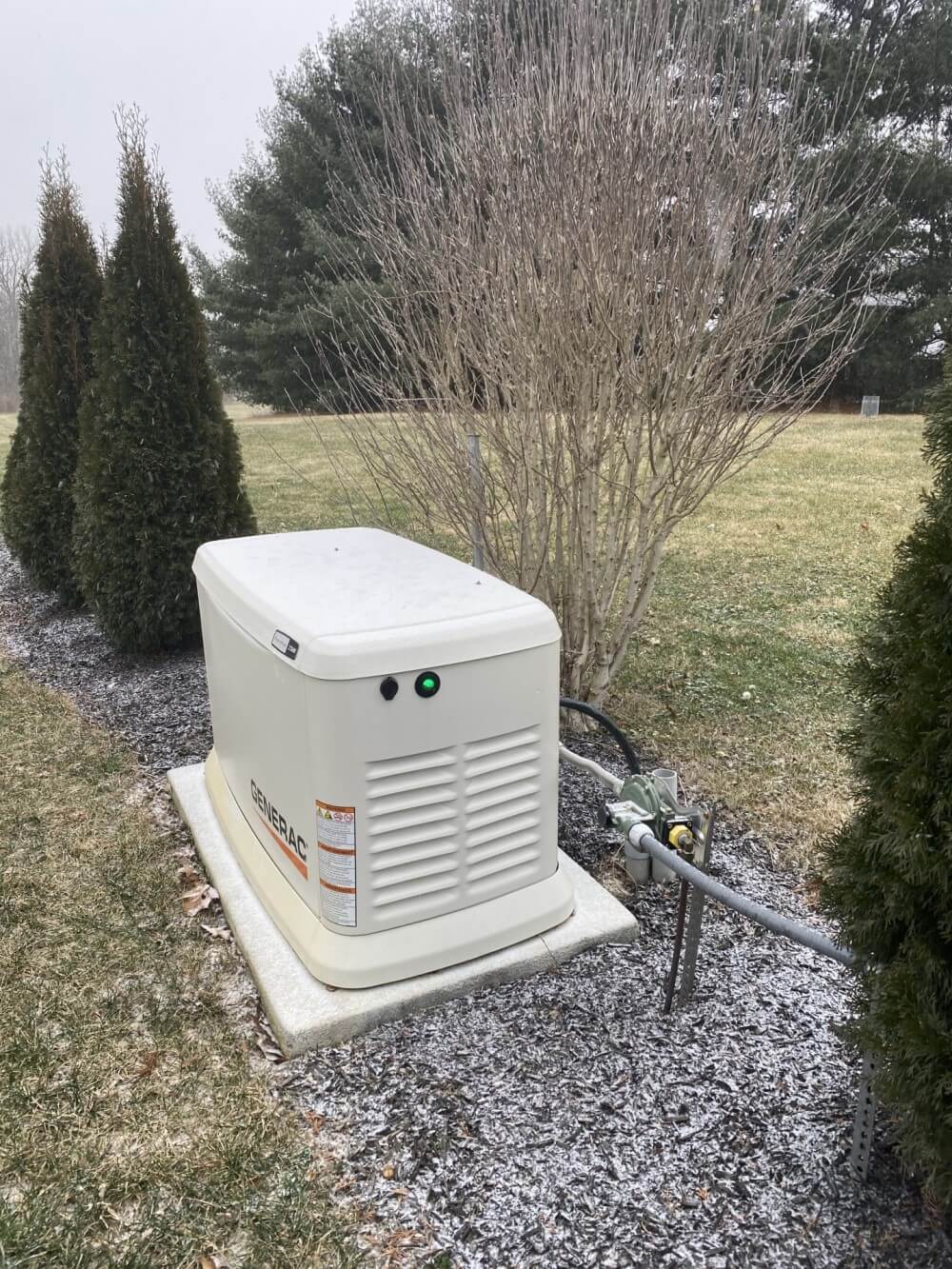
A backup generator is a backup power solution that provides power to business operations and homes. Backup generators are usually stationary and require a concrete pad used as a foundation usually situated outside a facility or home. Standby generators are a robust solution that can provide power for days during extended power outages, depending on the fuel type and configuration of the generator. Unlike prime or continuous generators, standby generators are only used for situations such as power outages due to inclement weather, natural or man-made disasters, or regular blackouts due to the aging power grid. Many feel that generators are downright necessary, where outages aren’t all that uncommon. But if you’re delaying an installation, one of your reasons might be because you’re not sure how it all works. Maybe you think a generator might be a bit complex, or maybe that your home won’t really benefit from it.

Putting it into more simple words, a backup generator works with two major parts: it works with the generator itself and with a transfer switch. When the generator is engaged, it will consume fuel (gas or propane) to provide electrical power to your home. When the outage ends, the generator goes back into standby, and you resume the use of utility power for your home.

Commercial standby generators are directly connected to a facility’s electrical panel and are powered by using an external fuel supply such as diesel or natural gas. Commercial generators, the size of the generator, along with fuel type determines what can be powered and for how long. Backup generators are most commonly paired with an Automatic Transfer Switch, which prompts the standby generator to kick in within seconds of power loss due to power outage. How an Automatic Transfer Switch works is that the switch disconnects from a facility from the main utility power grid after a power outage. After the facility has been safely and completely cut off from the power grid, the switch prompts the generator to start and to start generating power to the facility’s electrical panel. When power to the main grid is restored, the automatic transfer switch prompts the generator to shut down and reconnects the facility to the main power grid. The single greatest safety feature of using a generator with an Automatic Transfer Switch is that it prevents back feeding electricity to the grid. Back feeding is a dangerous occurrence where the generator will send electricity to the main grid, which can result in fires, seriously injure, or even kill utility workers that are working on the power lines in efforts to restore power to your region. If you opt out of installing an Automatic Transfer Switch with your generator, the alternative is to use the default Manual Transfer Switch, which would require someone to physically be next to the generator and flip the switch. Additional contingency plans would need to be set in place in the event of a power outage, such as if an employee would be on call to turn on the generator when power goes out and turn off the generator once power is restored. Not only could this potentially put the employee in harm’s way (road hazards, inclement weather, natural disaster occurrence, etc.), but also raises the potential for back feeding to occur.

As you can see, a backup generator is used as a backup power solution, not only to keep the lights on, but it can also maintain safe working environments for employees and in general for people having a backup generator at home. This means that the AC or heat can continue to operate without failing due to power loss. Automated computer systems and equipment such as servers, manufacturing processing machinery, and even security systems can be kept up and running with a backup generator. Most importantly, having a backup generator that can keep your business operations going means keeping productivity up, even for people working at home.

Buy Backup Generators

Previous

Target Car Chargers: The Difference Between Level 1 And Level 2 Chargers

Next

Costs For Backup Generators

Recent Posts

  • Commercial Kitchen Plumbing and Electrical Scope in Columbus
  • Home Addition in Columbus: The Electrical, Plumbing and HVAC Scope
  • Permits and Inspections for Central Ohio Home Projects
  • Using One Electrical, Plumbing and HVAC Contractor on a Central Ohio Project
  • Sequencing Home Systems Upgrades in a Columbus House
R&T Yoder Electric | Plumbing | HVAC

Electrical, HVAC & Plumbing, serving Central Ohio

Navigation

  • Home
  • Electrical
  • HVAC
  • Plumbing
  • Careers
  • Blog
  • About Us
  • Contact

Contact & Location

  • 7927 Memorial Dr, Plain City, OH 43064
  • (614) 206-5401
  • office@rtyoder.com

Service Hours

Mon–Fri 7am–5pm

Emergency Services Available

License #21937 (Electrical) · #45632 (Plumbing) · #31410 (HVAC)

© 2026 R&T Yoder Electric | Plumbing | HVAC. All rights reserved.

Terms of Use·Privacy Policy

Design and concept by Websiteness