
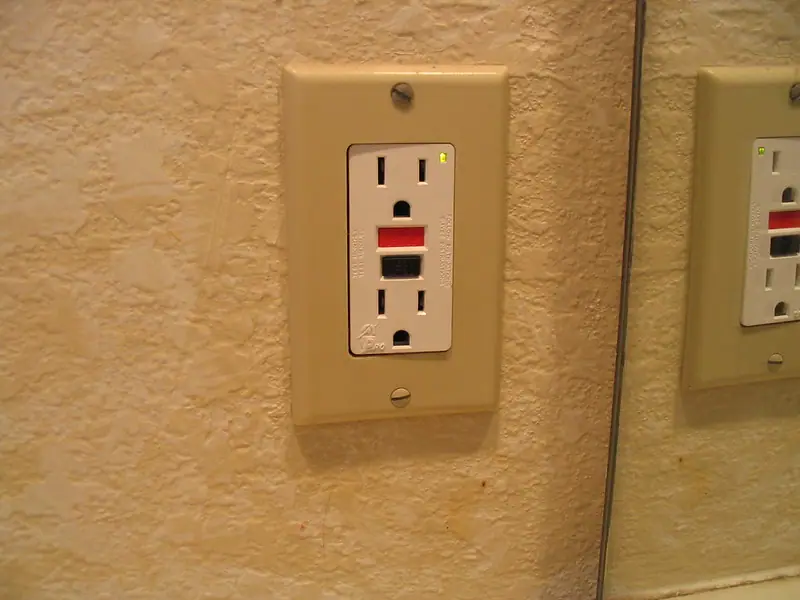
Enhance your electrical safety by installing GFI outlets near water sources. These outlets detect power imbalances to prevent shocks. Tools needed: voltage tester, wire cutters, screwdriver set. Materials needed: GFI outlets, electrical tape, wire nuts. Installation steps: turn off power, replace outlet, secure connections. Test the outlet post-installation. Troubleshoot using a multimeter if needed. Maintain outlets by periodic testing and prompt replacement of damaged ones. Safeguard your home with these steps. By ensuring proper installation and maintenance of GFI outlets, you significantly reduce electrical safety risks in your household.
Importance of GFI Outlets
When considering electrical safety in your home, installing Ground Fault Circuit Interrupter (GFI) outlets is crucial to protect against electrical hazards. GFIs are designed to detect any imbalances in the flow of electricity, such as when current leaks from a circuit. In the event of a ground fault, where electricity could potentially flow through you to the ground, the GFI quickly interrupts the circuit, reducing the risk of electrical shock.
GFI outlets are typically installed in areas where water and electricity are in close proximity, such as kitchens, bathrooms, outdoor outlets, and garages. Water is a good conductor of electricity, and any contact between water and an electrical appliance can lead to a dangerous situation. By installing GFIs in these locations, you add an extra layer of protection against electrical accidents.
Regular outlets do not provide the same level of protection as GFIs. Without a GFI, a ground fault could result in severe injury or even death. Therefore, investing in GFI outlets for your home is a smart and essential step in ensuring the safety of your household.
Tools and Materials Needed
To properly install GFI outlets for enhanced electrical safety, you will need specific tools and materials to ensure the job is done correctly. The tools required include a voltage tester to confirm power is off, wire cutters/strippers for preparing the wires, a screwdriver set for securing wires, and needle-nose pliers for bending and shaping wires. Additionally, a utility knife is useful for stripping wire insulation, and a pencil and tape measure will aid in marking and measuring outlet placements.
For materials, you will need GFI outlets, which are crucial for providing ground fault protection, electrical tape for securing wire connections, wire nuts for joining wires together, and a junction box to contain the outlet safely. It’s essential to have cable staples or clamps to secure wiring in place, and a cover plate to protect the outlet once installed. Lastly, make sure to have a power drill handy for mounting the outlet securely to the wall. These tools and materials are vital for a successful GFI outlet installation that prioritizes electrical safety.
Step-by-Step Installation Guide
Ensure you have gathered all the necessary tools and materials listed in the previous section for a successful installation of GFI outlets in your electrical system. To begin, turn off the power to the circuit you will be working on at the main electrical panel. Remove the existing outlet cover plate and outlet to expose the wiring. Verify that the power is off using a voltage tester. Next, carefully disconnect the wires from the old outlet, noting their placement. Connect the new GFI outlet by attaching the black (hot) wire to the brass terminal, the white (neutral) wire to the silver terminal, and the green or bare wire to the green terminal. Secure the outlet to the electrical box and attach the cover plate. Turn the power back on and test the GFI outlet by pressing the “Test” and then “Reset” buttons. If the GFI trips, troubleshoot for any wiring errors before regular use.
Testing and Troubleshooting Tips
For effective testing and troubleshooting of GFI outlets, start by using a multimeter to check for proper voltage readings on the outlet terminals. Ensure the power is off before testing to avoid any electrical hazards. Begin by setting your multimeter to measure AC voltage. Insert one probe into the smaller slot (hot) and the other into the larger slot (neutral). A properly functioning GFI outlet should read around 120 volts. If there is no voltage, check the circuit breaker and reset the GFI outlet.
Next, press the “Test” button on the GFI outlet. This action should trip the outlet and cut off power to the connected devices. Use the multimeter to verify that the voltage has indeed been cut off. Reset the outlet by pressing the “Reset” button. If pressing the “Reset” button does not restore power, the GFI outlet may be faulty and require replacement. Lastly, ensure that all connections are secure and free of any damage or corrosion to prevent potential electrical issues.
Maintenance and Safety Precautions
What crucial steps can you take to maintain GFI outlets and ensure electrical safety in your home? To maintain GFI outlets effectively, periodically test them by pressing the “Test” and “Reset” buttons to ensure proper functionality. Check for any signs of damage such as cracks, discoloration, or loose connections on the outlet cover or in the wiring. If you notice any issues, replace the outlet promptly to prevent electrical hazards.
Furthermore, ensure that GFI outlets are installed in areas prone to moisture, such as kitchens, bathrooms, and outdoor spaces, to protect against electric shocks. Regularly inspect the surroundings of the outlets for any water leaks or spills that could compromise their safety features. Keep the outlets clean and free from dust or debris that could interfere with their operation.
Remember to never tamper with the internal components of GFI outlets and always hire a qualified electrician for any repairs or replacements to guarantee the safety and effectiveness of your electrical system. By following these maintenance and safety precautions, you can enhance the electrical safety in your home and protect your family from potential hazards.