
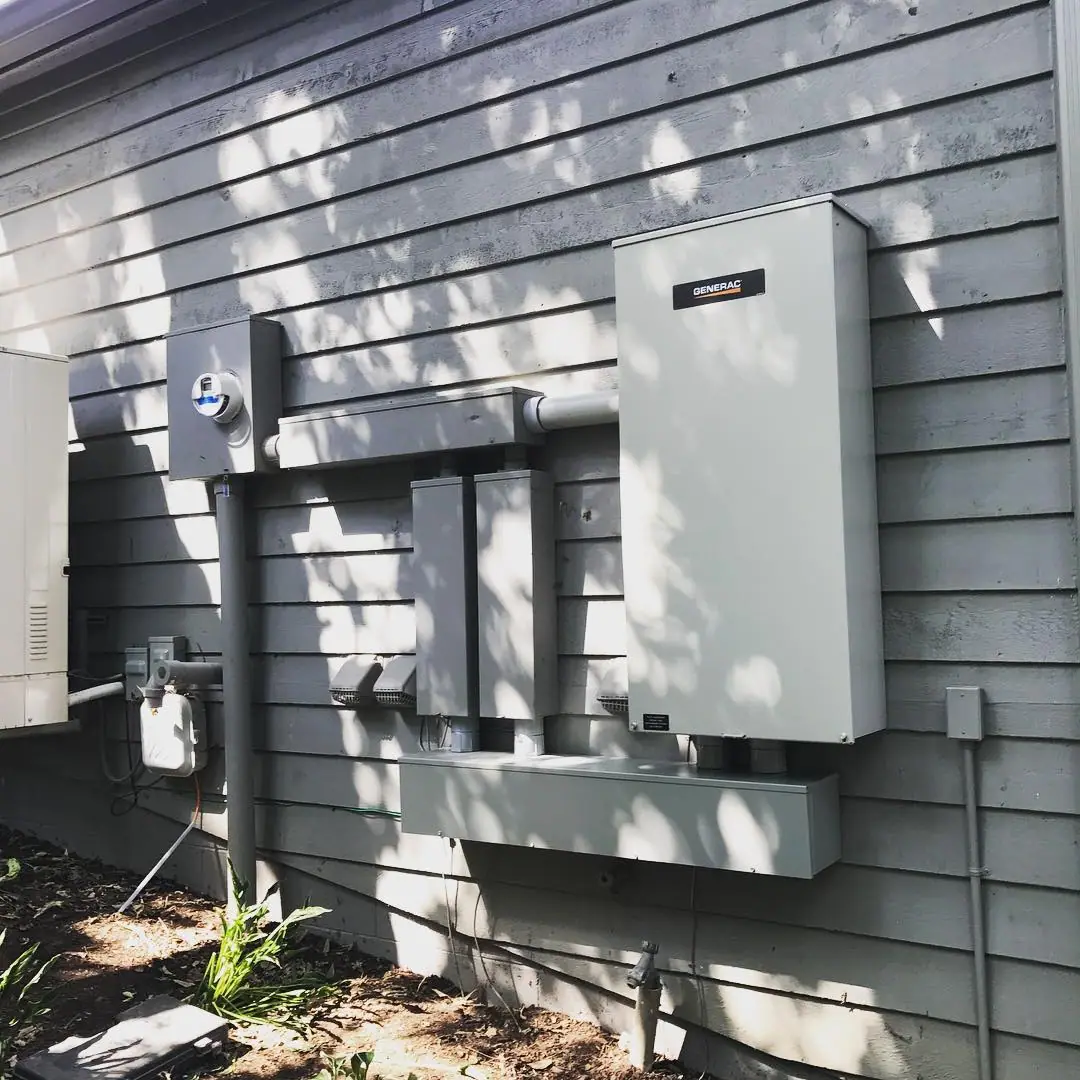
To keep your backup generator running smoothly, conduct regular maintenance to identify and fix issues early. Inspect air filter, battery, and coolant levels according to manufacturer’s guidelines. Monitor fuel levels, check for leaks, and test the automatic transfer switch periodically. Examine wiring, circuit breakers, voltage regulator, and battery health. Look out for leaks, strange noises, or exhaust smoke, and track power outages. Maintaining these aspects ensures your generator is ready when required.
Importance of Regular Maintenance
Why is regular maintenance crucial for keeping your backup generator running smoothly? Regular maintenance is essential to ensure that your backup generator is always ready to kick into action when needed. By performing routine maintenance tasks, you can identify and address any potential issues before they escalate into major problems. This proactive approach helps to maximize the lifespan of your generator and ensures its reliability during power outages. Maintenance tasks may include inspecting and replacing the air filter, checking the battery and cables for corrosion, testing the coolant levels, and verifying the functionality of all components. Additionally, regular maintenance can help you avoid costly repairs and inconvenient breakdowns. It is recommended to follow the manufacturer’s guidelines for maintenance intervals and procedures to keep your backup generator in optimal condition. Remember, a well-maintained generator is a dependable source of backup power when you need it most.
Checking Fuel Levels and Quality
To ensure your backup generator operates effectively, a critical aspect to monitor is checking the fuel levels and quality regularly. Proper fuel levels are essential for uninterrupted power supply during outages. Start by inspecting the fuel tank for any signs of damage or leaks. Ensure the fuel cap is tight to prevent contamination. Use a fuel gauge to measure the fuel level accurately. It is recommended to keep the tank at least half full to avoid running out of fuel unexpectedly.
Next, focus on the fuel quality. Check for any sediment or water accumulation in the fuel tank, as these can clog the generator’s fuel system and affect its performance. Use a fuel testing kit to analyze the fuel’s condition periodically. If the fuel appears cloudy or shows signs of contamination, it should be replaced immediately to prevent damage to the generator. Additionally, consider using fuel stabilizers to maintain the fuel quality during storage periods. Regularly monitoring and maintaining the fuel levels and quality will ensure your backup generator is always ready to provide reliable power when needed.
Testing Automatic Transfer Switch
Ensure the automatic transfer switch on your backup generator is functioning correctly by conducting regular testing to guarantee seamless power transitions during outages. To test the automatic transfer switch, start by simulating a power outage. With the generator running, initiate the transfer switch manually or allow it to switch automatically if it’s set to do so. Observe the switch as it transfers the electrical load from the utility power to the generator. Verify that the switch operates smoothly without any delays or hiccups.
Next, test the transfer switch under load by connecting a few essential appliances to the generator. Repeat the transfer process to ensure that the switch can handle the electrical load effectively. Inspect the switch for any signs of overheating or unusual sounds during the transfer. Regular testing of the automatic transfer switch will help identify any issues early on and ensure that your backup generator can seamlessly provide power when needed. Remember to consult the manufacturer’s guidelines for specific testing procedures and recommended maintenance schedules.
Inspecting Electrical Components
Inspect the electrical components of your backup generator regularly to ensure optimal performance and prevent potential malfunctions. Start by examining the generator’s wiring for any signs of wear, corrosion, or loose connections. Check the circuit breakers and fuses to make sure they are intact and properly sized for the generator’s load. Inspect the voltage regulator for any visible damage or overheating. Additionally, examine the control panel for any warning lights or error codes that may indicate a problem with the electrical system.
Next, test the battery to ensure it is fully charged and able to start the generator when needed. Clean the battery terminals and cables to prevent corrosion, which can hinder the flow of electricity. Inspect the spark plugs and ignition system for any buildup or damage that could affect the generator’s ability to start efficiently.
Monitoring for Warning Signs
Regularly monitor your backup generator for any warning signs that may indicate potential issues with its operation. Start by checking for leaks, unusual smells, or strange noises coming from the generator. Any of these could signal a problem that needs immediate attention. Additionally, keep an eye on the exhaust system for excessive smoke or unusual emissions. These could be signs of engine trouble or a clogged filter.
Monitoring the generator’s performance is crucial. Pay attention to any changes in how it runs, such as fluctuations in power output or difficulty starting. These could indicate issues with the fuel supply, battery, or other components. Keep track of the frequency and duration of power outages the generator is experiencing. If these increase significantly, it may be a sign of underlying problems that need to be addressed.
Regularly inspect the generator’s exterior for any signs of damage, corrosion, or wear. Addressing these issues promptly can prevent more significant problems down the line. By staying vigilant and monitoring your backup generator closely, you can ensure its smooth operation when you need it most.