
Expert Pool Electrical Installation for a Safe and Functional Pool
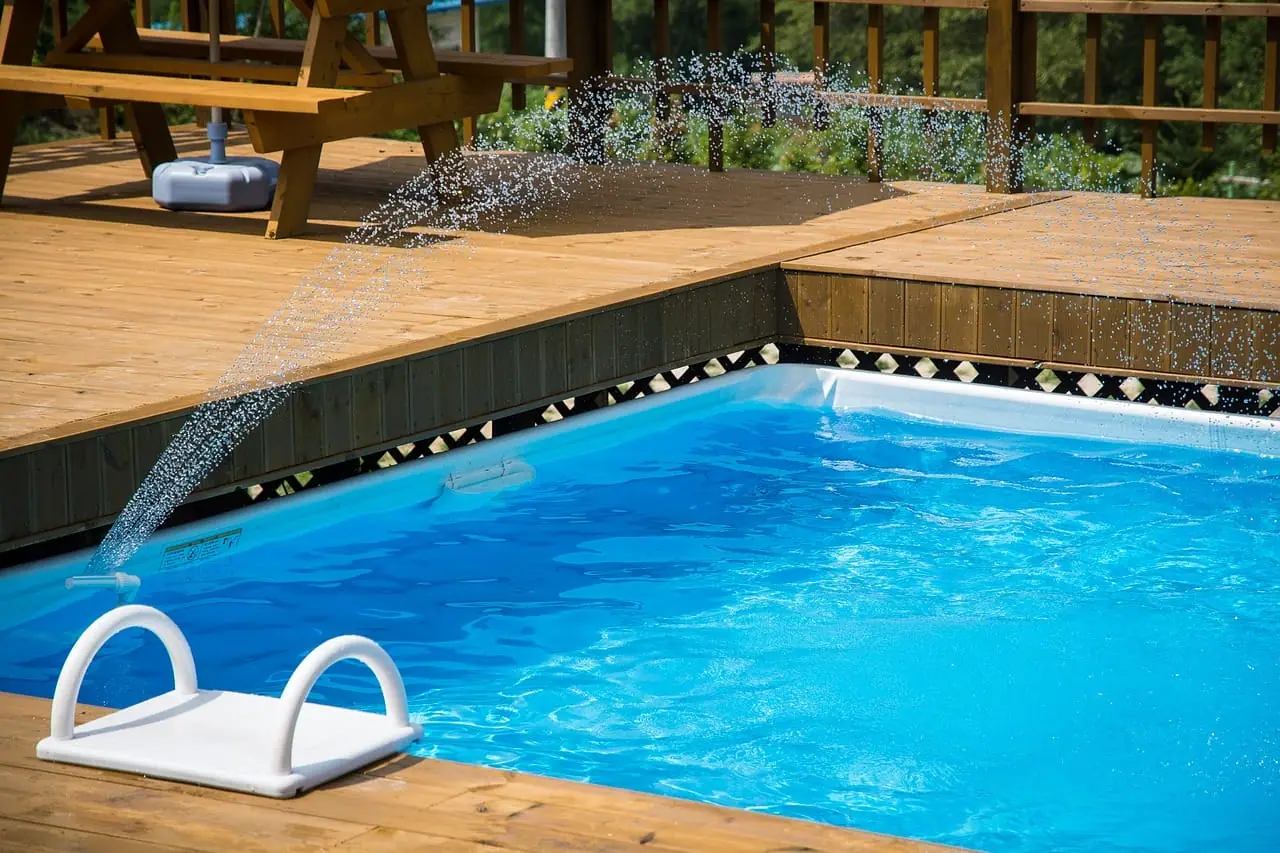
There’s something captivating about a perfectly functioning pool. The shimmering water, the soothing hum of the pump, the gentle glow of underwater lights—it’s the epitome of backyard bliss. Yet, behind this aquatic serenity lies an intricate network of electrical components, each working in harmony to maintain comfort, cleanliness, and safety.
Pool electrical installation is the backbone of this seamless experience. From powering filtration systems to automating lighting and heating, a well-installed electrical system ensures efficiency and safety. However, water and electricity make for a dangerous duo when mishandled. Proper installation, meticulous attention to safety standards, and adherence to local codes are essential for a pool that’s not just functional but secure.
Why Pool Electrical Installation Is Critical
A pool without proper electrical infrastructure is like a car without an engine—it simply can’t function. Pumps, heaters, lighting, and even automated cleaning systems all depend on a reliable electrical setup. But beyond convenience, there’s a critical safety element to consider.
Key Reasons to Prioritize Professional Installation:
- Safety First:
Electricity and water are a hazardous combination. Incorrect wiring or poor grounding can lead to electric shocks, potentially with fatal consequences. - Operational Efficiency:
Efficient electrical systems optimize energy use, reducing costs and ensuring smooth operation. - Code Compliance:
Pool electrical installations must adhere to the National Electrical Code (NEC) and local regulations to avoid fines and safety risks. - Longevity of Equipment:
Proper wiring and connections extend the lifespan of expensive pool equipment. - Convenience & Automation:
Modern pools often integrate smart systems that automate heating, lighting, and cleaning. Correct installation ensures these features work flawlessly.
Key Components of Pool Electrical Systems
Pool electrical systems involve more than just running a few wires underground. Here are the critical components that work together to create a safe, functional, and enjoyable swimming experience.
1. Pool Pump Motor
The heart of the pool’s circulation system. It ensures water passes through filters, heaters, and chlorinators.
Electrical Needs:
- Dedicated circuit
- Proper grounding
- GFCI protection
2. Pool Heater
Whether solar, electric, or gas-powered, heaters rely on electrical components to maintain temperature settings.
Electrical Needs:
- Weatherproof connections
- Thermostat integration
- Energy-efficient wiring
3. Lighting Systems
Underwater LED lights, deck lighting, and ambient fixtures transform pools into nighttime retreats.
Electrical Needs:
- Low-voltage transformers
- Waterproof housings
- GFCI-protected circuits
4. Automatic Pool Cleaners
Robotic cleaners operate on electric motors and require dedicated power supplies.
Electrical Needs:
- Safe cable routing
- Surge protection
- Energy-efficient outlets
5. Control Panels and Automation Systems
Modern pools use smart panels for easy control of lighting, temperature, and cleaning schedules.
Electrical Needs:
- Wi-Fi connectivity
- Proper cable management
- Surge protection systems
The Pool Electrical Installation Process
Proper pool electrical installation requires precision, expertise, and strict adherence to safety guidelines. Here’s a breakdown of the step-by-step process:
1. Site Assessment and Planning
- Evaluate pool layout and equipment placement.
- Identify the nearest power source and plan conduit routes.
- Calculate load requirements to ensure the panel can handle pool equipment.
2. Obtaining Permits and Adhering to Codes
- Secure necessary permits as required by local authorities.
- Follow NEC guidelines, including specific regulations for wiring near water sources.
Pro Insight: The NEC requires pool wiring to be at least five feet from the water’s edge unless properly shielded.
3. Installing Electrical Conduits and Wiring
- Lay conduits underground to protect cables from water exposure and physical damage.
- Use corrosion-resistant materials like PVC for underground installations.
4. Grounding and Bonding
- Bond all metallic components, including ladders, railings, and pool frames.
- Install grounding rods to direct stray currents safely into the earth.
Did You Know?
Bonding connects metal components to prevent electric shock by equalizing electrical potential.
5. Connecting Pool Equipment
- Wire pool pumps, heaters, lights, and cleaning systems to dedicated circuits.
- Test each connection for continuity and insulation integrity.
6. Final Inspection and Testing
- Conduct voltage tests and check GFCI functionality.
- Schedule a professional inspection to ensure compliance with local codes.
Safety Considerations for Pool Electrical Installation
When dealing with electricity near water, even minor mistakes can have severe consequences. Safety should always remain the top priority during installation and subsequent maintenance.
Key Safety Practices:
- Use GFCI Protection: NEC mandates GFCI outlets for all pool-related circuits to prevent shocks.
- Proper Grounding and Bonding: Ground all metal parts to reduce the risk of electrical currents in the pool.
- Waterproof Enclosures: Install electrical components in weatherproof and waterproof boxes.
- Regular Inspections: Conduct annual electrical checks, particularly after extreme weather conditions.
Fact:
The U.S. Consumer Product Safety Commission (CPSC) reports that faulty pool wiring contributes to dozens of electrocution incidents annually.
Energy Efficiency Tips for Pool Electrical Systems
Pool ownership doesn’t have to come with astronomical utility bills. Smart electrical choices during installation can yield long-term energy savings.
Practical Energy-Saving Tips:
- Install Variable-Speed Pool Pumps:
These pumps adjust their speed based on filtration needs, using up to 65% less energy than single-speed models. - Use LED Pool Lighting:
LED lights consume up to 80% less energy than traditional incandescent bulbs. - Leverage Smart Automation Systems:
Smart timers and remote-controlled panels ensure pool equipment operates only when needed. - Opt for Solar-Powered Heaters:
Harnessing solar energy significantly reduces electricity costs, especially in sun-soaked regions.
Pro Tip:
Install timers for pool pumps to avoid running them continuously.
Common Mistakes in Pool Electrical Installation
Even experienced electricians can make mistakes when unfamiliar with pool-specific electrical requirements. Here are some pitfalls to avoid:
1. Insufficient Grounding and Bonding
Skipping these steps creates shock risks and can cause electrical damage to pool equipment.
2. Using Standard Outlets Instead of GFCIs
Pools require GFCI outlets to protect against electric shocks. Standard outlets are a code violation and a safety hazard.
3. Poorly Sealed Conduits
Water infiltration into conduits causes corrosion and eventual electrical failure.
4. Incorrect Wiring Gauge
Wires with insufficient gauge for high-powered equipment may overheat, increasing fire risks.
Example:
Pool heaters often require thicker wiring than pumps due to their higher current demands.
The Importance of Professional Pool Electrical Installation
Pool electrical systems are more complex than standard household wiring. Professional installation ensures safety, efficiency, and long-term reliability.
Why Hire a Professional?
- Code Compliance: Electricians stay updated with NEC and local regulations.
- Specialized Knowledge: Pools have unique electrical requirements that general electricians might overlook.
- Advanced Tools: Professionals use specialized tools to test for current leaks and insulation integrity.
- Warranty Protection: Many pool equipment manufacturers require professional installation for warranty validity.
Fun Fact:
Modern pool automation systems can integrate with home assistants like Alexa and Google Home.
Pool Electrical Maintenance: Protecting Your Investment
Routine maintenance ensures the electrical system operates safely and efficiently for years.
Maintenance Checklist:
- Inspect GFCIs Monthly: Test outlets and breakers to confirm functionality.
- Check Wiring Insulation: Look for cracks, discoloration, or exposed wires.
- Monitor Equipment Performance: Unusual noises or inconsistent operation may indicate wiring issues.
- Clean Pool Lights: Algae and debris can obscure light fixtures, reducing effectiveness.
FAQ Section
1. How long does pool electrical installation take?
The process usually takes 1-3 days, depending on pool size, equipment complexity, and weather conditions.
2. Do all pool circuits need GFCI protection?
Yes. The NEC requires GFCI protection for all pool-related electrical systems to prevent shocks.
3. Can I install pool electrical systems myself?
It’s strongly discouraged. Pool electrical work requires specialized knowledge and must adhere to strict safety codes.
4. How often should I inspect my pool’s electrical components?
Professional inspections are recommended annually, with more frequent checks if you notice performance irregularities.
5. What size electrical panel is needed for a pool?
Most residential pools require a 60-100 amp sub-panel, depending on the equipment installed.
A pool should be a haven of relaxation and fun—not a source of electrical anxiety. Proper electrical installation is the cornerstone of a safe, efficient, and enjoyable swimming environment. From energy-efficient pumps to dazzling underwater lights, every component requires precise, code-compliant wiring.
Don’t take chances when it comes to safety. Our expert electricians bring years of experience, industry-grade tools, and a commitment to excellence to every project. We ensure your pool’s electrical system is safe, reliable, and built to last.