
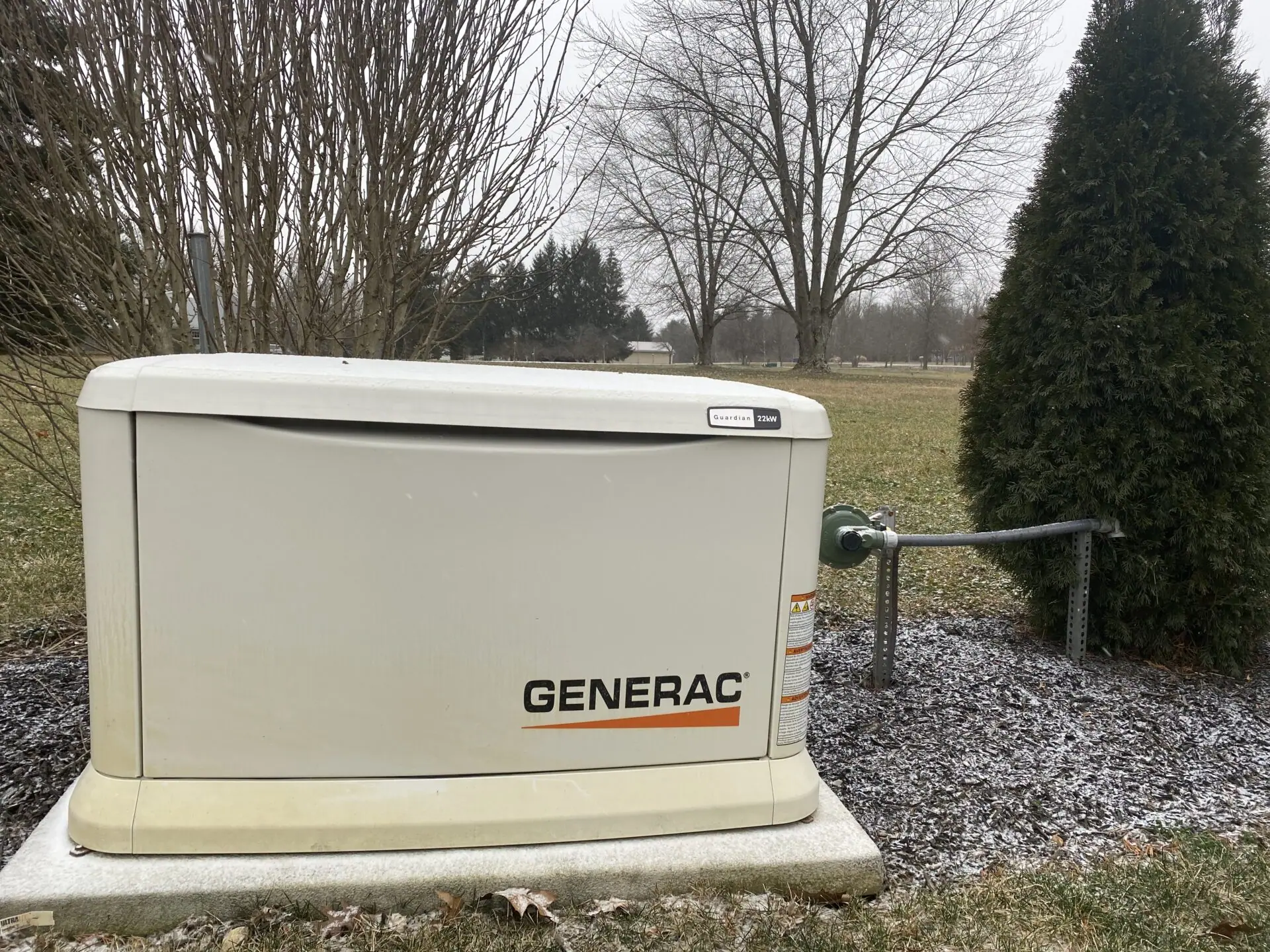
When installing a backup generator, calculate total wattage for critical devices. Identify peak startup needs and plan for future expansions. Choose between mobile and standby options based on ease of use and automatic operation. Find the right spot considering ventilation, fuel access, and regulations. Opt for a level surface with drainage for placement. Verify proper maintenance with regular fuel checks, oil changes, and filter inspections. Test, replace, keep clean for long-lasting efficiency. Mastering these essentials ensures a reliable power supply during outages with minimal hassle.
Benefits of Backup Generators
Backup generators offer a reliable source of power during outages, ensuring uninterrupted electricity for your home or business. When the main power grid fails, these generators automatically kick in to supply electricity, keeping your essential appliances and systems running smoothly. Depending on the size and capacity of the generator, it can power critical devices like refrigerators, HVAC systems, security systems, and medical equipment.
One of the key benefits of backup generators is their ability to provide peace of mind during emergencies. With a backup generator in place, you can rest assured that your home or business will stay operational even when faced with power outages caused by severe weather, grid failures, or other unforeseen circumstances. Additionally, backup generators can help prevent data loss in businesses by ensuring that computers and servers remain powered up, maintaining productivity and preventing interruptions in operations.
Types of Backup Generators
During power outages, having a reliable source of electricity is crucial to keep your essential appliances and systems running smoothly. When it comes to backup generators, there are primarily two types to consider: portable generators and standby generators.
Portable generators are versatile and can be moved around to where they are needed. They run on gasoline, propane, or diesel and are typically used to power a few essential appliances or tools during an outage. However, they require manual operation and should never be used indoors due to the risk of carbon monoxide poisoning.
On the other hand, standby generators are permanently installed outside your home or business and are connected directly to your electrical system. They run on natural gas or propane and can automatically turn on when a power outage is detected. Standby generators are capable of powering your entire home or business, providing uninterrupted electricity for an extended period.
When choosing a backup generator, consider your power needs, budget, and fuel availability to determine which type best suits your requirements.
Sizing Your Backup Generator
When determining the appropriate size for your backup generator, calculate the total wattage of all the essential appliances and systems you need to power during an outage. Start by identifying critical items like refrigerators, lights, heating systems, and medical equipment. Consult the wattage information on each device or check the manufacturer’s specifications. Add up the wattage of all these items to determine the minimum power capacity your generator should have. Consider peak startup wattage for devices like refrigerators and air conditioners, as they require more power when turning on.
Additionally, factor in any future electrical needs you might have, ensuring your generator can accommodate potential expansions. Oversizing your generator can offer flexibility and ensure it can handle unexpected power surges. However, be cautious not to significantly exceed your requirements as this can lead to inefficient operation and higher costs. By accurately calculating your power needs, you can select a backup generator that meets your specific requirements, providing reliable power during outages.
Installation Considerations
Considering the layout of your property and the proximity to your main electrical panel, assess the optimal location for installing your backup generator. The ideal spot should be close to your main electrical panel to minimize wiring costs and installation complexity. Ensure the area is well-ventilated and complies with all local building codes. It’s crucial to have a clear path for fuel delivery and exhaust gases to prevent any hazards. Additionally, consider factors like noise levels and accessibility for maintenance when choosing the installation location.
When installing the backup generator, make sure it is placed on a level surface to prevent any issues with operation or maintenance. The chosen location should also have proper drainage to avoid water accumulation around the unit. It’s recommended to consult with a professional electrician or generator installer to determine the best placement based on your specific property layout and requirements. By carefully considering these installation considerations, you can ensure a safe and efficient backup generator setup for your property.
Maintenance Tips
Assess your backup generator regularly to ensure optimal performance and longevity. Start by checking the fuel levels and changing the oil as recommended by the manufacturer. Inspect the air filters for any clogs or dirt buildup, and clean or replace them if necessary. Test the battery to ensure it is holding a proper charge and replace it if it shows signs of deterioration. Additionally, examine the spark plugs for any signs of wear and tear, replacing them if needed. Inspect the coolant levels and top up if low, following the manufacturer’s guidelines.
Regularly exercise your generator to keep it running smoothly and prevent any issues caused by inactivity. Ensure that the exhaust system is clear of obstructions and check for any leaks. Keep the area around the generator clean and free from debris that could affect its operation. Lastly, consider scheduling professional maintenance at least once a year to address any potential problems and ensure your backup generator is ready to provide reliable power when needed.